
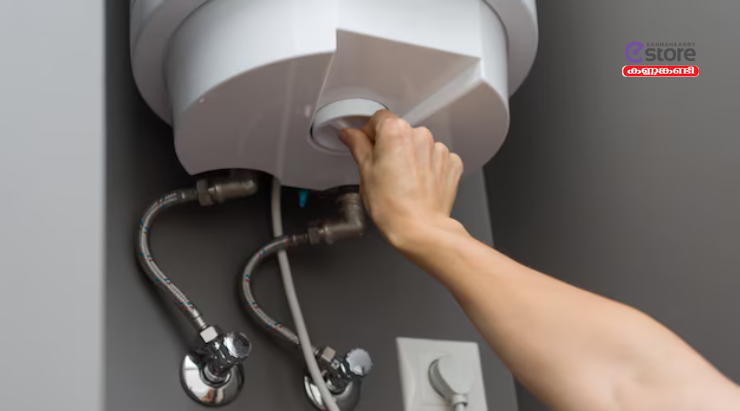

You’re running the tap for a warm bath or switching on the geyser before a shower, and you spot water dripping—often from a small pipe or directly under the unit. This is an extremely common scenario in many Kerala households. Sometimes, a few drops are entirely normal. Other times, it can be a warning from your water heater.
Knowing the real causes of this dripping, what’s safe, and when it’s a sign something’s wrong is essential for every homeowner. Let’s explore the mechanics, risks, and solutions behind dripping water heaters.
How a Water Heater Works (Simple Breakdown)
A water heater, whether a storage tank geyser or an instant unit, follows a straightforward principle: cold water enters, a heating element or gas burner warms it up, and hot water flows out when you open the faucet.
- Heating Element: The main device responsible for raising water temperature.
- Tank: Stores water (in storage heaters), enabling hot water on demand.
- Thermostat: Senses and regulates the desired water temperature, switching the element on or off.
- Inlet & Outlet: The cold water pipe fills the tank; the hot water outlet delivers to your tap.
- Pressure Control: As water heats, it naturally expands and increases pressure inside the tank.
To prevent excessive pressure, every modern water heater has a T&P (Temperature & Pressure) safety valve. Proper function of these components ensures a seamless and safe hot water supply for your household.
Is Dripping Normal During Heating?
When a water heater is active, pressure inside the tank rises. The T&P (Temperature & Pressure) safety valve may occasionally release a small amount of water to relieve this extra pressure—a crucial feature for user safety. This drip typically appears from the discharge pipe connected to the valve, especially during or just after heating cycles.
Normal:
A few drops or a slight trickle while the heater is running, especially right after water has heated up.
Problematic:
Constant, heavy dripping; leaking from other areas of the unit; or water continuing to leak when the appliance is off.
Recognizing this distinction is key to safety and proper maintenance.
Common Causes of Water Heater Dripping
Pressure Buildup from Heating
As water heats, it expands. If the system is closed or if there’s no expansion space, internal pressure will increase. The safety valve relieves this pressure by expelling a bit of water, preventing tank damage or hazardous scenarios. This is the most common and generally safe cause of minor dripping.
Faulty Temperature Control / Thermostat Issue
If the thermostat malfunctions, it might allow the heater to exceed safe temperatures. This overheating spikes the internal pressure, launching the safety valve into frequent action. A faulty sensor or thermostat can turn a safe drip into a recurring leak—prompting investigation and, possibly, replacement.
Safety Valve Wear
Over time, the T&P valve can wear out, become stuck, or fail to seal properly. When this occurs, the valve might drip even when not relieving pressure, or it may no longer activate when necessary. Old, corroded, or malfunctioning valves are a common culprit for persistent leakage from water heaters.
Excess Water Pressure Supply from Building Plumbing
Sometimes, the issue isn’t in the heater, but in high-pressure municipal or borewell water lines. Excess incoming pressure means the safety valve may discharge water regularly, not just when heating. Pressure-reducing valves may be required in such setups.
Tank Corrosion / Aging Unit
Water heater tanks, especially in coastal Kerala’s humid environment, are prone to internal corrosion over time. Micro-cracks or holes in the tank lining or welds can lead to water leaking either slowly or in noticeable drips, especially when pressurized during heating cycles.
Hard Water Scale Buildup
In Kerala, hard water contains minerals like calcium and magnesium that build up inside water heaters over time. This scale reduces heating efficiency, can cause overheating, and may damage the tank lining, leading to leaks and drips during heating. Regular maintenance helps prevent these issues.
Signs That Dripping is a Warning
A bit of water released during heating is often harmless, but homeowners should watch for these warning signs:
- The dripping suddenly increases or becomes a steady flow, rather than an occasional trickle.
- Discolored water, metallic taste, or rust particles appear, suggesting corrosion inside the tank.
- The heater takes longer to warm up water than usual, indicating scale buildup or failing components.
- Water is not hot enough or stays lukewarm, often because of thick scale deposits on the heating element or thermostat misreading.
Ignoring these signs can shorten the lifespan of your geyser or even create safety hazards.
How to Troubleshoot Safely
- Turn OFF the power supply: Switch off the electric circuit breaker or unplug the heater. For gas models, shut off the gas valve.
- Inspect the valve’s discharge pipe: Minimal dripping during heating is common, but steady leaks or wet spots indicate a problem.
- Check thermostat settings: Make sure the temperature is set between 50 and 60°C for safe operation.
- Look for corrosion and scale: If accessible, check inside the unit for rust or mineral deposits that might affect performance.
- Call a professional: If you face persistent leaks or uncertainty, contact a licensed technician rather than attempting complicated repairs.
- Never block the T&P valve: Never cap the safety valve’s discharge, as it’s vital for preventing overpressure hazards.
Safety first keeps your heater working well and protects your home.
Water Heater Issues Specific to Kerala Homes
Kerala residents deal with unique challenges that influence water heater performance and maintenance:
- Hard Water Regions: Areas such as Palakkad and parts of Trivandrum experience significant mineral content, causing faster scale buildup, lowering heater efficiency, and increasing the chance of scale-related leaks.
- Frequent Power Variation: In some districts, the monsoon season brings voltage fluctuations. These can affect the thermostat and sabotage the safety circuit, leading to erratic heating or excessive dripping.
- Common Installation Mistakes: Quick, unplanned installations in Kerala flats often ignore the need for pressure-reducing valves or anti-corrosive tank coatings. This can prematurely age the heater or trigger unnecessary dripping.
Replacement & Upgrade Consideration
Dripping from an old heater, especially with other issues like slow heating or rust-colored water, may mean the appliance has neared the end of its service life. Before planning to replace or upgrade, many homeowners like to compare water heater price kerala to choose the right capacity and build quality.
Take your time to research models with corrosion-resistant tanks, efficient heating elements, and safety-certified valves.
When Buying a New Water Heater
Choosing the right replacement ensures you avoid many of the problems that cause dripping or leaks. Here are key factors for Kerala buyers:
- Capacity:
- 10–15 L: Suitable for 2–3 person homes.
- 25L: Better for 4–5 member families.
- Instant heaters: Great for solo users or smaller kitchens.
- Energy Efficiency:
- Opt for models with BEE star ratings, inverter technology, or smart thermostats to reduce electricity bills.
- Tank Material:
- Stainless steel tanks are highly durable but costlier.
- Glass-lined/acrylic-coated tanks are more budget-friendly and resist corrosion better in hard water areas.
- Instant vs Storage:
- Instant heaters deliver hot water quickly but in small amounts.
- Storage geysers are ideal for longer showers and larger households.
Alternative Product Category Mention
If you are planning to buy a water heater in Kerala, consider warranty support, brand service availability, tank coating type, and energy rating. These factors are especially valuable in Kerala’s climate, where maintenance, after-sales support, and efficiency matter as much as upfront cost.
Conclusion
In summary, a dripping water heater during heating can be a normal safety response or an early sign of trouble—understanding the difference safeguards your family and investment. Routine maintenance, prompt attention to warning signs, thoughtful purchase decisions, and using quality components will prevent most issues related to leakage from water heater units.
For trusted solutions and access to a wide range of products, Kannakandy supports homeowners with reliable home appliances online shopping. A preventive mindset—backed by awareness—ensures you enjoy reliable hot water for years, while staying safe and cost-efficient.
FAQ’s
- Is water dripping from heater dangerous?
Occasional drips from the safety valve during heating are normal. However, constant or heavy leaks may point to faults and should be inspected by a technician. - How much dripping is normal from a geyser?
Just a few drops or a light trickle while heating is typical. Steady or increasing leakage is not normal and signals a potential problem. - How to reduce water pressure in heater?
Install a pressure-reducing valve on your main supply line, or ask a plumber to check for excessive municipal pressure. - Does hard water damage water heaters?
Yes, scale and mineral buildup from hard water reduces heating efficiency, accelerates corrosion, and can cause leaks. - How often should I service a water heater?
Annual servicing is best—includes checking the tank, cleaning scale deposits, testing safety valves, and verifying electrical/mechanical integrity. - What is the life span of a geyser tank?
Most storage water heaters last 6–10 years, depending on build quality, maintenance, usage, and water hardness. - What is the best temperature setting for heater safety?
Set the thermostat to 50–60°C to balance hot water comfort and avoid pressure build-up or accidental scalding. - Why does my new heater drip more than my old one?
Modern safety valves are more sensitive. Also, if the installation site has higher incoming pressure or harder water, dripping may be more frequent. - Can I fix a leaking safety valve myself?
Only minor checks—such as clearing debris—are safe for users. Any replacement or advanced repair should be left to professionals for safety.